
Ever landed in a new country, only to discover your devices won’t plug in? This is a familiar frustration for many travellers. Incompatible plugs and voltage differences can disrupt your trip, damage your electronics, or leave you disconnected at the worst time.
Choosing the right travel plug adapter is essential for global connectivity in 2026. The right adapter ensures your devices stay safe and powered, no matter where you go. With the correct knowledge, you can travel with peace of mind and convenience.
This handbook demystifies the travel plug adapter, guiding you through types, compatibility, safety tips, and the latest innovations. Use this guide to confidently prepare for any destination and keep your devices connected wherever you explore.
Understanding Travel Plug Types and Standards
Travelling the world opens up a patchwork of electrical standards, and knowing which travel plug adapter you need is crucial for staying powered up. From Australia to Europe and beyond, the sheer variety of plug shapes and voltage requirements can quickly become confusing. A little knowledge about plug types and standards ensures your devices are compatible, safe, and ready for action wherever you land.
The Global Patchwork of Plug Types
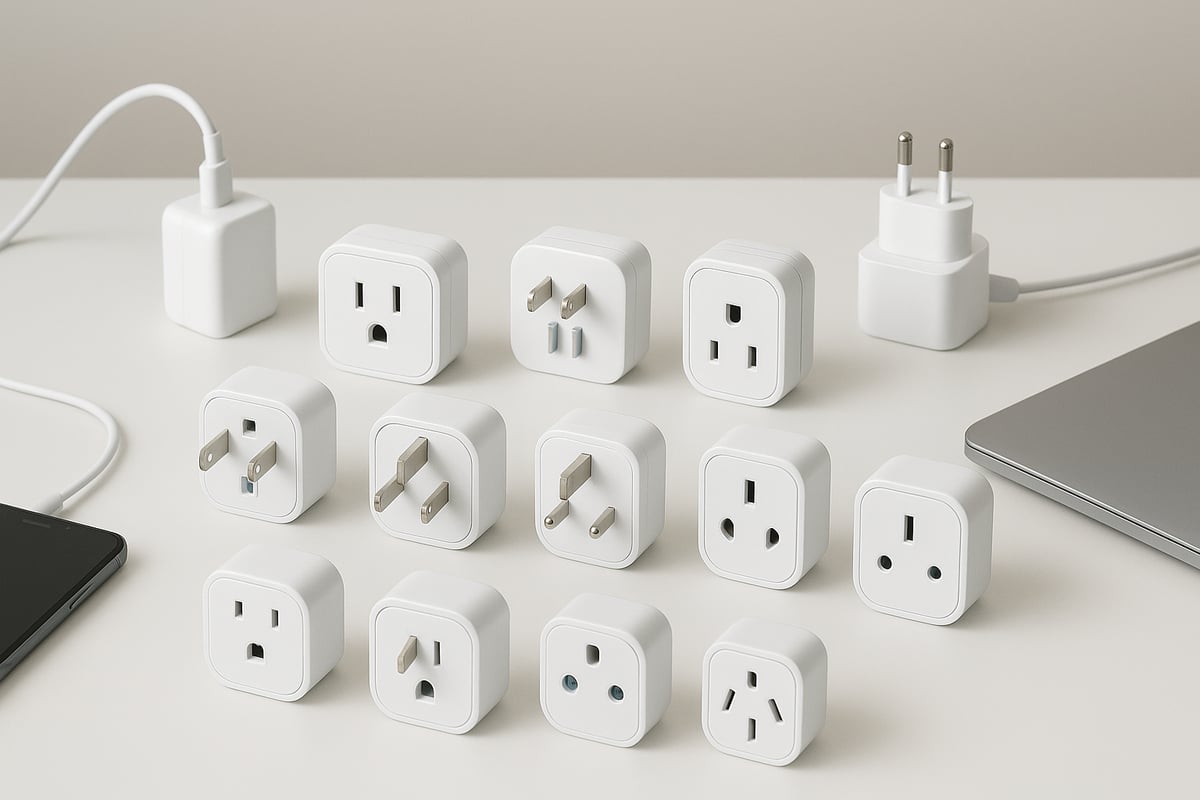
There are over 15 different plug types in use worldwide, identified as Types A to N. This diversity means that a travel plug adapter is often the most important item in a traveller’s toolkit. Let’s break down some of the most common standards:
- Type A/B: Used in the US, Canada, and parts of Central America.
- Type C: Common across continental Europe, Asia, and South America.
- Type G: Standard in the United Kingdom, Ireland, and some Middle Eastern countries.
- Type I: The Australian and New Zealand standard, also used in Papua New Guinea.
The challenge is that no single plug works everywhere. For example, an Australian Type I plug will not fit into a European Type C socket. According to the International Electrotechnical Commission, more than 200 countries use different plug types, making device compatibility a real issue for globetrotters.
This patchwork affects more than just physical fit. The frequency (measured in Hertz) and voltage (measured in Volts) also vary. For instance, Australia uses 230V at 50Hz, while the US operates on 120V at 60Hz. The right travel plug adapter bridges the gap for your devices, but you must still consider local standards to avoid problems.
To help visualise the complexity, consult this worldwide plug types and voltages guide, which maps out which plugs and voltages are used in each country. This is essential reading before you pack your travel plug adapter for any international journey.
Voltage and Frequency Differences: Why They Matter
Plug shape is just the beginning. The voltage and frequency supplied by sockets around the world can pose significant risks if not matched correctly. Most countries supply either 100-127V or 220-240V, with frequencies of either 50Hz or 60Hz.
Plugging a 110V device from the US into a 220V European socket without the correct travel plug adapter or voltage converter can damage your device or even cause a fire. Many modern electronics, such as laptops and smartphones, are dual-voltage, meaning they can handle both voltage ranges. In fact, about 70% of today’s devices are dual-voltage, a trend that greatly simplifies global charging.
Always check your device’s voltage rating, usually listed on the charger or device label. If it says “100-240V, 50/60Hz,” your device is ready for global use with just a travel plug adapter. However, high-power items like hairdryers often need a voltage converter, not just an adapter, to function safely abroad.
Understanding the difference between an adapter and a converter is key. A travel plug adapter simply changes the shape of your plug to fit a foreign socket, while a converter actually transforms the voltage to a safe level for your device. Choose wisely to keep your gear safe and your travels hassle-free.
Types of Travel Plug Adapters: Which One Do You Need?
Travelling internationally means facing a confusing world of plugs and sockets. Choosing the right travel plug adapter can save your devices, your time, and your peace of mind. Let’s break down the main types available in 2026 so you can stay powered up, wherever you go.
Basic Plug Adapters vs. Universal Adapters
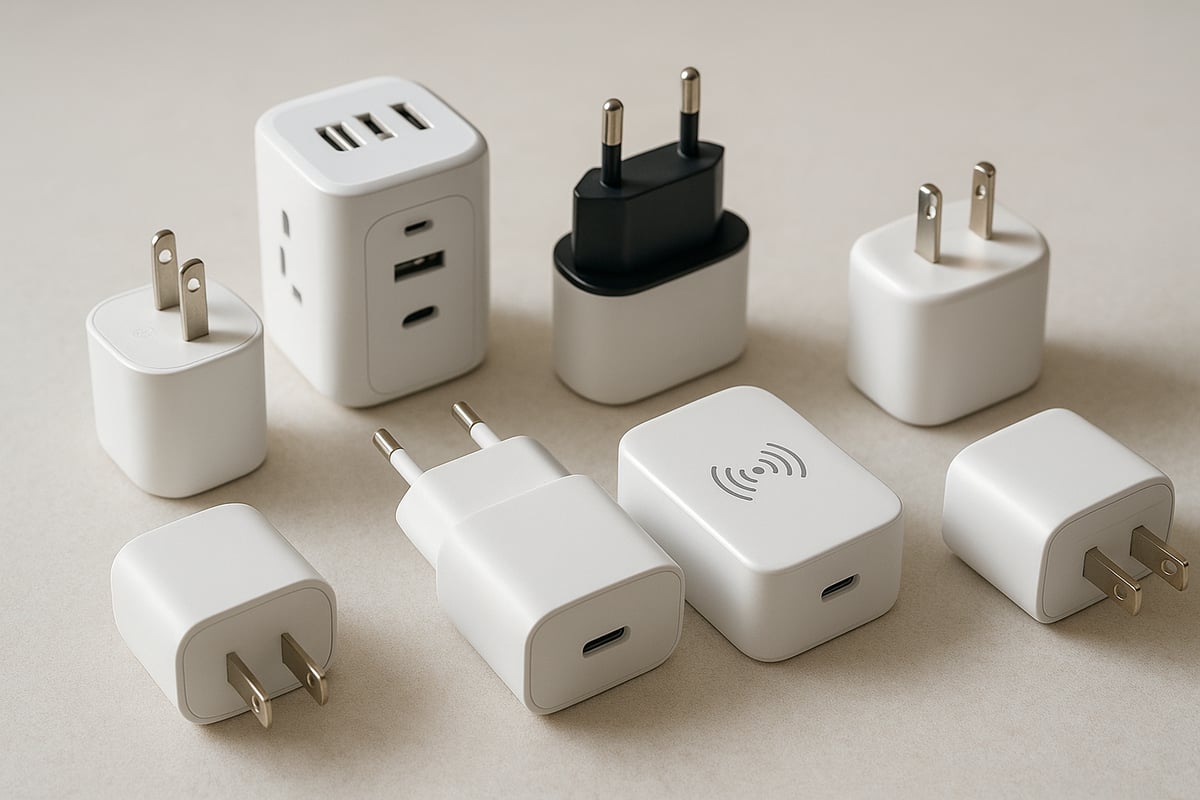
Basic plug adapters are single-purpose solutions. They allow you to connect your Australian device to a specific foreign socket, such as a Type I to Type C for Europe. These adapters are small, lightweight, and affordable. However, they only work in countries that use one plug type. If your trip includes several regions, you may need to pack multiple adapters.
Universal adapters are designed for flexibility. With sliding or rotating prongs, these adapters support a wide range of plug types in one compact unit. Many models now include USB-A and USB-C ports, letting you charge multiple devices at once. Universal adapters are ideal for frequent travellers or anyone visiting several countries on one journey.
Here’s a quick comparison of the two main types:
| Adapter Type | Compatibility | Size | Price Range | Pros | Cons |
|---|---|---|---|---|---|
| Basic Plug Adapter | Single region | Small | $5-$15 | Lightweight, simple, cheap | One country per adapter |
| Universal Adapter | Multi-region | Medium | $20-$60 | Versatile, USB ports, compact | Bulkier, may not fit all sockets |
According to market surveys, 55% of international travellers prefer universal adapters due to their convenience and multi-device support. However, not all universal adapters are suitable for high-power appliances like hairdryers or kettles. Always check the maximum wattage rating before plugging in such devices.
For a deeper dive into universal adapters, features, and compatibility, check out this comprehensive Universal travel adapter guide.
While universal adapters offer broad compatibility, basic adapters can be a better choice for short trips or single-country visits. Consider your itinerary and devices before making a decision.
Specialty and Smart Adapters
The travel plug adapter market in 2026 has evolved beyond simple plug conversions. Specialty adapters now cater to the needs of tech-savvy travellers who carry multiple devices. Look for adapters with integrated USB-A, USB-C, and even wireless charging pads. These features allow you to power up smartphones, tablets, and laptops simultaneously.
Smart adapters bring extra layers of safety and convenience. Models with built-in surge protection, fuses, and power regulation help protect your devices from voltage spikes. Some even include overload indicators or auto-resetting safety mechanisms. This is vital when travelling to regions with unstable power supplies or unreliable grids.
Many modern adapters are compatible with laptops, cameras, and other high-wattage electronics. However, always verify the adapter’s supported wattage before use. For hairdryers and straighteners, you may need a dedicated high-power adapter or a voltage converter, especially if your device is not dual-voltage.
Eco-friendly and compact designs are now in demand. Adapters made from recycled materials or featuring modular, space-saving builds appeal to environmentally conscious travellers. With 40% of travellers carrying at least three devices, choosing a travel plug adapter with multiple ports and robust safety features is more important than ever.
When selecting a specialty or smart travel plug adapter, consider your device mix, charging needs, and the safety certifications of the product. Investing in a high-quality adapter reduces the risk of device damage and ensures you stay connected, wherever your adventures take you.
Step-by-Step Guide: How to Choose the Right Travel Plug Adapter
Selecting the right travel plug adapter is essential for hassle-free global travel. This step-by-step guide empowers you to confidently match your devices with the right solution, ensuring safety, convenience, and peace of mind on every journey.
Step 1: Identify Your Destination’s Plug Type and Voltage
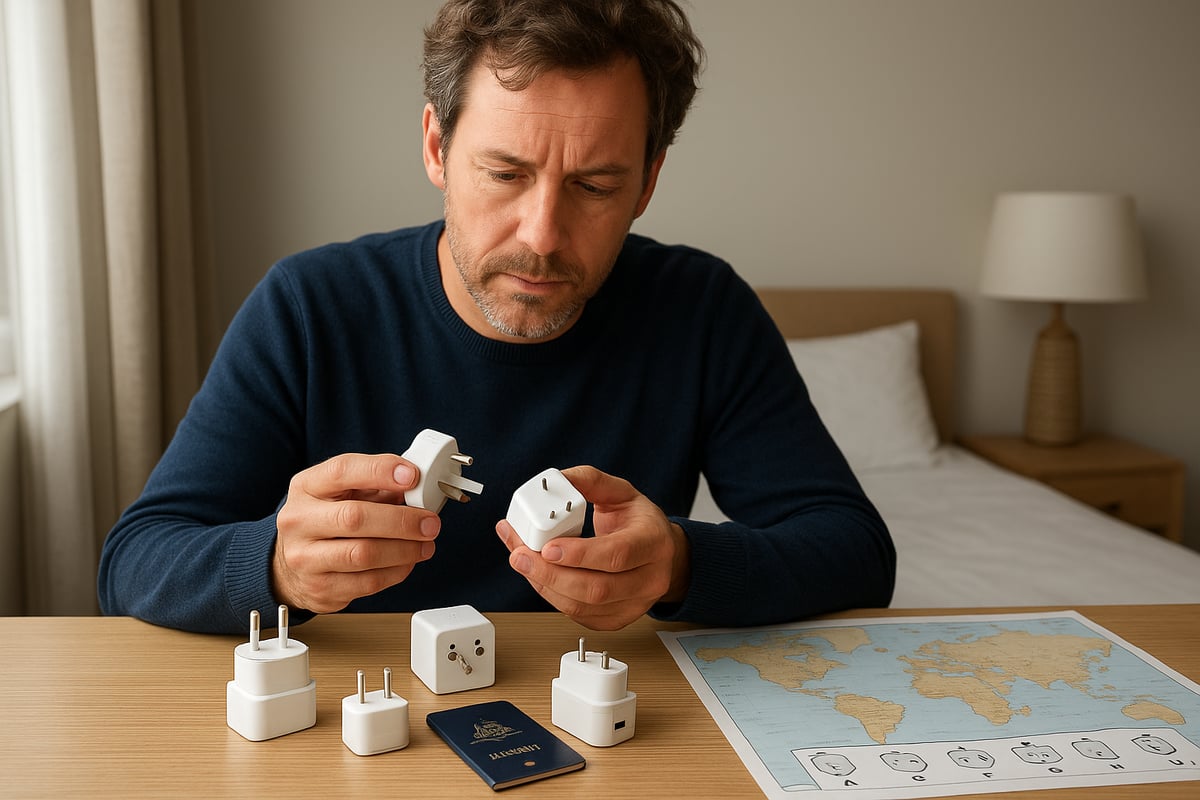
Before packing your travel plug adapter, research the plug type and voltage used at your destination. More than 200 countries use different plugs, so it is crucial to know what you will encounter.
Start by checking official tourism websites, embassy resources, or global plug type databases. For example, if you are travelling from Australia to France, you will move from Type I (Australia) to Type C (France).
Voltage also varies, typically from 100V to 240V. Knowing these details helps you avoid device damage and ensures your travel plug adapter will fit and function properly wherever you go.
Step 2: Check Your Device Specifications
Examine each device you plan to bring and look for its voltage and frequency information. This is usually printed on the charger or device label. Most modern electronics, like smartphones and laptops, support dual-voltage (100-240V), making them compatible worldwide with just a travel plug adapter.
However, some appliances, such as hairdryers or straighteners, may only support a single voltage. Double-check these details to prevent malfunctions.
If your device is not dual-voltage, you may need extra equipment beyond your travel plug adapter to avoid risks like electrical fires or permanent damage.
Step 3: Decide Between Adapter and Converter
A travel plug adapter changes the plug shape but does not alter voltage. If your device can handle the destination’s voltage, an adapter alone is sufficient. However, a converter is required if your device is single-voltage and incompatible with local power.
For example, using an Australian hairdryer (designed for 230V) in the United States (120V) without a converter will result in poor performance or possible damage.
Always read your device’s manual and confirm if a travel plug adapter alone will suffice or if a voltage converter is necessary for safe use.
Step 4: Consider the Number and Type of Devices
Think about how many devices you will need to charge at once. Most travellers carry two to four devices, including phones, tablets, laptops, and cameras.
Look for a travel plug adapter with multiple USB ports or AC outlets to simplify charging. Some adapters are designed for high-wattage devices, while others are best for low-power items.
Make a list of your devices and their charging needs to ensure your chosen travel plug adapter meets all requirements, keeping you powered up without juggling multiple adapters.
Step 5: Evaluate Safety Features
Prioritise safety when choosing a travel plug adapter. Look for features like surge protection, built-in fuses, and child safety shutters. Certified adapters (with CE, FCC, or SAA marks) have passed essential safety tests.
Surge protection is particularly important in regions with unstable power. Faulty adapters can cause shocks or fires, so always choose quality over price. For more detailed information on safe usage, consult resources like Travel adapter safety considerations.
A reliable travel plug adapter not only protects your devices but also ensures your personal safety while abroad.
Step 6: Factor in Portability and Build Quality
Frequent travellers should consider the size, weight, and durability of a travel plug adapter. Compact designs are easier to pack and carry, especially for those moving between multiple countries.
Check for sturdy build quality, as cheap plastic models can break easily. Read user reviews and look for top-rated options for 2026.
A well-built travel plug adapter will withstand repeated use, providing consistent performance and saving you from last-minute replacements during your trip.
Step 7: Budget and Warranty Considerations
Travel plug adapters range in price, from basic budget-friendly models to premium options with advanced features. Consider what you need and set a reasonable budget.
Premium adapters often come with longer warranties and better customer support, offering extra peace of mind. Evaluate the cost-benefit of investing in a high-quality travel plug adapter versus replacing cheaper ones more frequently.
Remember, a small upfront investment can save you from costly device repairs or replacements later on.
Regional Travel Adapter Requirements: Quick Reference for 2026
Travelling internationally in 2026 means facing a patchwork of plug types, voltages, and frequencies. Having the right travel plug adapter ensures your devices stay powered and protected wherever you go.
This guide breaks down regional requirements so you can plan with confidence.
Australia & New Zealand
Australia and New Zealand both use the Type I plug, operating at 230V and 50Hz. If you are leaving these countries, you will need a travel plug adapter for almost any other region.
For inbound travellers, bring a Type I adapter to ensure compatibility. Popular destinations for Aussies, like the UK or the US, require different adapters, so check your travel plug adapter before departure. Always verify voltage compatibility to avoid damaging your devices.
Europe (Including UK and EU)
Europe is diverse in plug standards. The EU primarily uses Type C, E, and F plugs, while the UK uses Type G. All operate at 220-240V and 50Hz. Aussies travelling to Europe need a travel plug adapter for both the EU and UK.
For those visiting the EU, the Europlug specifications provide helpful details about compatibility with Type C sockets. Remember, power outlets in hotels can vary, so always carry the right travel plug adapter.
Asia-Pacific
The Asia-Pacific region features a mix of plug types: A, C, D, G, I, and M. Countries like Japan use Type A (100V, 50/60Hz), while China uses Type I (220V, 50Hz), and Singapore uses Type G (230V, 50Hz).
A travel plug adapter that covers multiple types is essential for multi-country trips. Always check voltage and frequency since they can vary. Some destinations require adapters with surge protection due to inconsistent power supplies.
Americas (North, Central, South)
In North America, the US and Canada use Type A and B plugs at 120V, 60Hz. South America is more varied, with countries using Type C, I, and L plugs, and voltages from 110V to 220V.
Australian travellers will need a travel plug adapter and, in many cases, a dual-voltage device. Pay close attention to voltage ratings, especially for high-powered items like hairdryers, to prevent device failure.
Middle East & Africa
The Middle East and Africa present a wide range of plug types, including C, D, G, M, and N, with voltages typically between 220V and 240V. Frequencies can be 50Hz or 60Hz depending on the country.
A reliable travel plug adapter is vital, especially in regions with unstable or unreliable power grids. Surge protection is highly recommended. Always check local requirements before you go to avoid surprises and ensure safe charging.
Essential Safety and Usage Tips for Travel Plug Adapters
Travelling with electronics is second nature for most Australians, but using a travel plug adapter without proper care can quickly lead to frustration or even danger. A little preparation goes a long way to protect your devices and ensure a smooth journey. Let’s explore the most important safety and usage guidelines so you can travel confidently.
Avoiding Common Mistakes
Many travellers make avoidable errors when using a travel plug adapter. Forgetting to check voltage compatibility is a common mistake that can ruin your device or even cause a fire. Overloading an adapter with too many gadgets puts excessive strain on the unit, increasing the risk of overheating.
Neglecting to use certified adapters is another frequent misstep. Non-certified models may lack proper insulation or safety mechanisms, exposing you to shock hazards. Real-world incidents shared on travel forums often involve these pitfalls, resulting in damaged electronics or interrupted holidays.
To avoid these issues, always double-check your destination’s requirements and your devices’ specifications before plugging in your travel plug adapter.
Best Practices for Safe Adapter Use
Safe usage of your travel plug adapter starts with choosing a certified, quality product. Look for adapters with recognised safety marks such as CE, FCC, or SAA. Before every trip, inspect your adapter for signs of damage like cracks or loose prongs.
Use surge protectors in areas where power supply is unstable, as this will shield your electronics from sudden voltage spikes. Never leave your travel plug adapter unattended while in use, especially in hotel rooms or public spaces.
For more comprehensive advice, consider reading these essential travel safety tips, which complement the best practices for safe adapter use.
Caring for Your Adapter
Proper care extends the life of your travel plug adapter and keeps it reliable. Always store adapters in a dry, padded pouch to prevent moisture damage and physical impact. Clean your adapter regularly with a soft cloth, avoiding harsh chemicals that could degrade plastic or metal parts.
Keep your travel plug adapter away from extreme temperatures, as heat and cold can affect its performance. If you notice any signs of wear, such as frayed wires or loose components, replace the adapter immediately.
Most adapters have a lifespan of several years, but regular inspection ensures you never travel with a faulty unit.
Travel Insurance and Electronics Protection
Even with the safest travel plug adapter, accidents can happen. Protect your valuable electronics by ensuring your travel insurance policy covers power surge and electrical damage. This is especially important in regions known for unstable electricity grids.
Real-world examples show that 18 percent of travel insurance claims involve damaged electronics, often caused by electrical faults abroad. Filing a claim is much easier when you can demonstrate safe usage and the use of a certified travel plug adapter.
A little extra coverage provides peace of mind, letting you focus on your journey rather than worry about your devices.
Future Trends in Travel Plug Adapters: What to Expect in 2026
The world of travel plug adapter technology is evolving rapidly, bringing greater convenience and safety to global travellers. As we move towards 2026, new trends are shaping how you stay connected and charge your devices abroad. Whether you are a business traveller or a holidaymaker, understanding these innovations will help you make informed choices for your next adventure.
Advancements in Adapter Technology
Travel plug adapter designs are embracing cutting-edge features to meet the demands of modern devices. Wireless charging integration is becoming more common, allowing you to power up without cables. Fast-charging capabilities are now standard in premium models, reducing downtime for your electronics.
Smart adapters with automatic voltage detection and surge protection offer peace of mind, ensuring your devices remain safe in unfamiliar power environments. Manufacturers are prioritising eco-friendly materials, using recycled plastics and sustainable packaging to reduce environmental impact. As user needs evolve, expect travel plug adapter options that balance performance, safety, and sustainability.
The Move Towards Universal Standards
Efforts to harmonise plug and voltage standards are gaining momentum. The widespread adoption of USB-C as a global charging solution is simplifying travel for many. In fact, the European Union has mandated universal chargers for mobile devices, setting a precedent for other regions.
Industry bodies are exploring frameworks like the IEC 60309 standard overview to guide safer, more uniform plug designs. While a single worldwide plug remains a dream, the travel plug adapter market is quickly adapting, offering versatile solutions that fit an increasing number of sockets and voltages. This progress means fewer worries about compatibility on your travels.
Travel Tech Integration
The travel plug adapter is no longer just a simple accessory. In 2026, expect adapters to double as multi-functional travel gadgets. Some models now feature built-in Bluetooth or GPS trackers, making it easier to locate your gear if misplaced. Others combine power banks, so you can charge on the go even when outlets are scarce.
Adapters are being designed with more USB-A, USB-C, and even wireless charging pads, reflecting the needs of travellers who carry multiple devices. For a closer look at how adapters are evolving alongside other must-have accessories, see the Top travel gadgets for 2025 for inspiration.
Sustainability and Minimalism in Travel Gear
Sustainability is now a driving force in travel plug adapter innovation. Compact, modular systems let you customise your setup and avoid excess bulk, appealing to minimalist travellers. Manufacturers are launching trade-in and recycling programs, helping reduce e-waste and extend the lifecycle of adapters.
Consumers are actively seeking greener alternatives, prompting brands to use more recyclable materials and offer longer-lasting products. As travel habits change, the travel plug adapter is becoming an example of how thoughtful design can make journeys lighter on both your luggage and the planet.
Ready to put your newfound knowledge into action and travel with total peace of mind? Simplify Living has made it easy for you to stay connected, safe, and organised—wherever your next adventure takes you. Their range of high quality adapters is designed specifically for Australian travellers, prioritising safety, compatibility, and convenience. Plus, you can enjoy fast shipping and a money back guarantee, so you can focus on exploring without any worries. If you want to travel smarter and avoid the hassle of mismatched plugs, it’s time to get prepared—Shop Now for your perfect travel adapter.



Leave a comment
This site is protected by hCaptcha and the hCaptcha Privacy Policy and Terms of Service apply.