
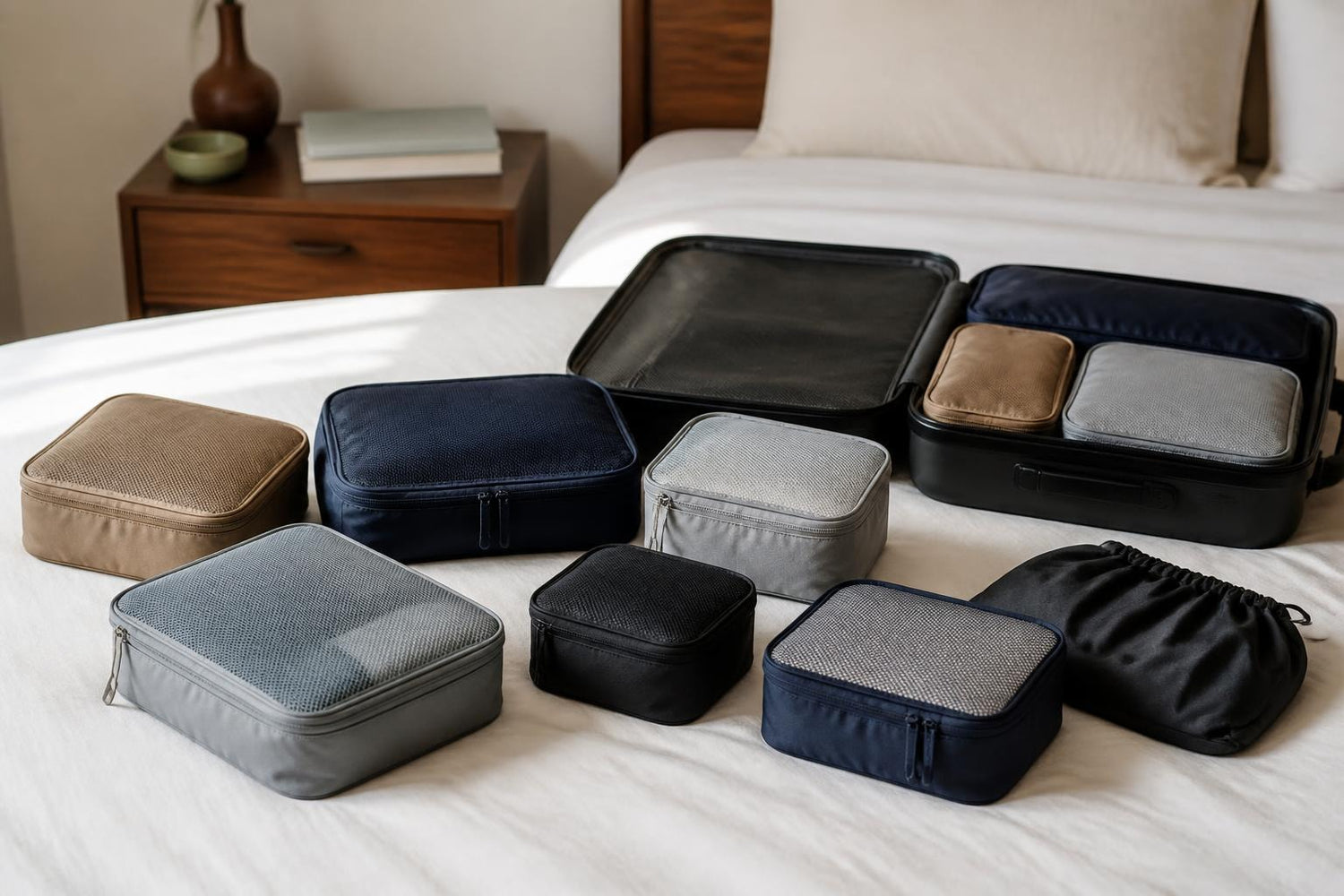
Anyone who's travelled more than once has likely faced the same question: are packing cubes worth it, or are they just another travel accessory taking up space in your bag? The answer isn't straightforward, because what works brilliantly for a three-week European backpacking trip might be completely unnecessary for a weekend getaway to the Gold Coast. Packing cubes can make your suitcase much easier to organise, but they’re not essential for every type of traveller. Understanding when they help and when they don't can save you money, luggage space, and plenty of frustration.
What Do Packing Cubes Do?
Packing cubes are lightweight zip-up organisers that separate your clothes and travel essentials inside your suitcase or backpack. Think of them as soft little drawers for your luggage.
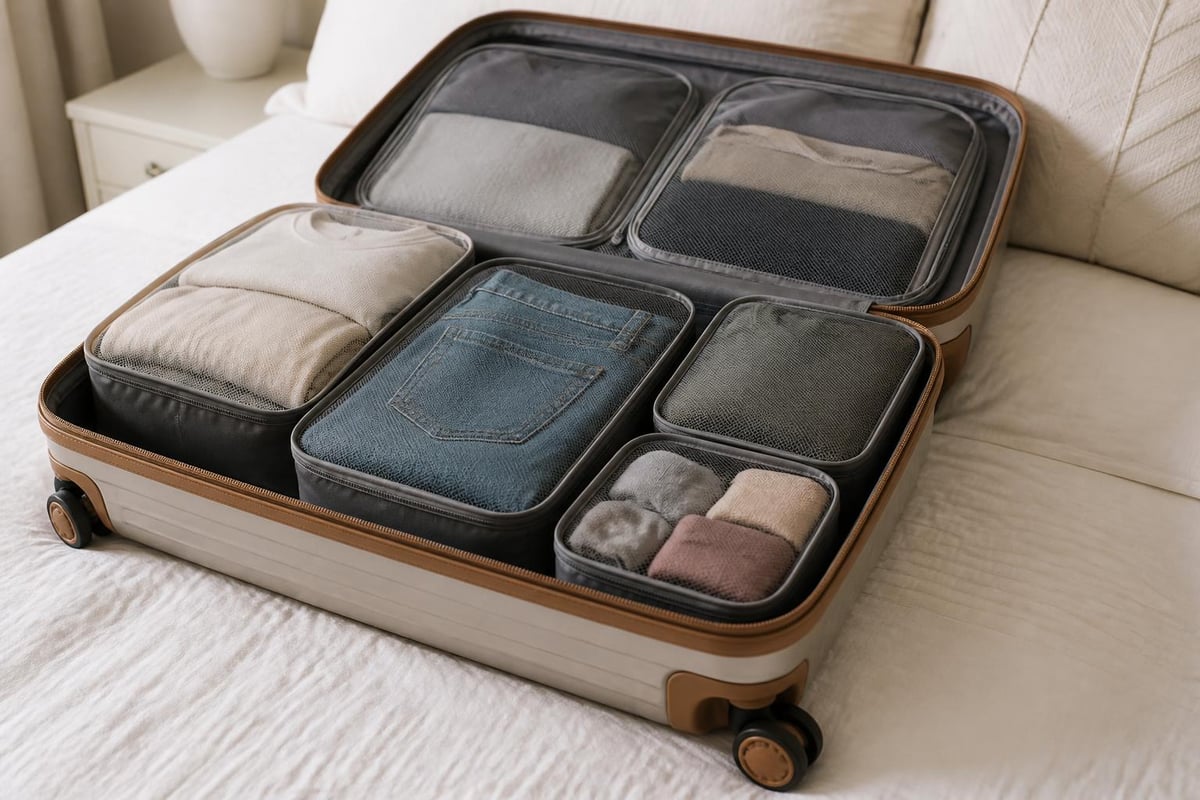
The basic function is simple: you sort your clothes and items into different cubes, then stack those cubes in your bag. One cube might hold all your tops, another your trousers, and a third your underwear and socks.
How They Differ From Just Folding Clothes
Without packing cubes, most people either fold everything into neat stacks or roll their clothes. Both methods work, but they share a common problem: everything shifts during travel.
When you open your bag at your destination, those carefully folded shirts have usually migrated to different corners of your suitcase. Your clean clothes might be mixed with dirty ones, and finding that one particular jumper requires unpacking half your bag.
Packing cubes create fixed compartments. Your organisation system travels with you, even after going through baggage handlers and overhead lockers. Forbes reports that packing cubes work particularly well for maintaining organisation throughout a trip, though they note some drawbacks worth considering.
When Packing Cubes Make Sense
Long trips with multiple destinations benefit most from packing cubes. If you're travelling for two weeks or more, stopping in different cities, you'll be living out of your bag. Opening and closing your luggage repeatedly at various hotels means your organisation deteriorates quickly without a system.
Backpackers and carry-on travellers often find packing cubes invaluable. When you're limited to one bag and need to access items regularly, having everything compartmentalised saves time and reduces mess.
Families travelling together can assign different coloured cubes to each person. This makes it easy to grab just one child's clothes without disturbing everyone else's items, particularly useful when you're sharing one large suitcase.
Business travellers who need to keep professional clothes separate from casual wear appreciate the compartmentalisation. One cube holds work shirts and trousers, another contains gym clothes or weekend casual items.
Here's when they're particularly useful:
Trips longer than one week
Multiple accommodation changes
Shared luggage between family members
Travel requiring different types of clothing (beach wear, formal wear, hiking gear)
Situations where you need to repack frequently
When You Don't Need Packing Cubes
Not every trip justifies the investment in packing cubes. Short weekend trips rarely need this level of organisation. If you're packing three days' worth of clothes for a single destination, just folding or rolling items into your bag works perfectly well.
Business trips to one location with checked luggage often don't benefit much from cubes. When you'll unpack everything into hotel drawers immediately upon arrival, the organisation system doesn't travel with you anyway.
Minimalist travellers who pack extremely light might find cubes add unnecessary weight and bulk. If you're travelling with just five items of clothing, you don't need elaborate organisation systems.
Situation |
Cubes Helpful? |
Why |
|---|---|---|
Weekend city break |
No |
Too few items to justify organisation system |
Three-week backpacking trip |
Yes |
Multiple repacking sessions benefit from compartments |
Beach holiday, one resort |
No |
Unpack once, use hotel storage |
Multi-country tour |
Yes |
Frequent packing/unpacking requires maintained organisation |
Solo overnight trip |
No |
Minimal clothing doesn't require sorting |
The Real Benefits Beyond Organisation
The obvious benefit is organisation, but experienced travellers report other advantages that aren't immediately apparent.
Compression and Space Efficiency
Many packing cubes, including compression packing cubes, include compression zippers that squeeze air out of your packed clothes. This genuinely saves space, though the difference varies depending on what you're packing. Fluffy jumpers compress well; jeans and t-shirts compress very little.
Standard cubes without compression can still save space through better organisation. When you pack systematically into rectangular cubes, you eliminate the awkward gaps that appear when you're just tossing folded clothes into a bag.
Protection for Delicate Items
Packing cubes create a buffer layer around your clothes. This won't protect against serious luggage handling abuse, but it does prevent items from getting crushed or snagged on zippers and buckles inside your bag.
Easier Security Checks
At airport security, being able to remove an entire cube of electronics or toiletries is faster than digging through your entire bag. Some travellers keep one clear cube specifically for items they'll need to access during security.
The Drawbacks You Should Know About
Packing cubes aren't perfect, and understanding their limitations helps you decide whether they're worth it for your travel style.
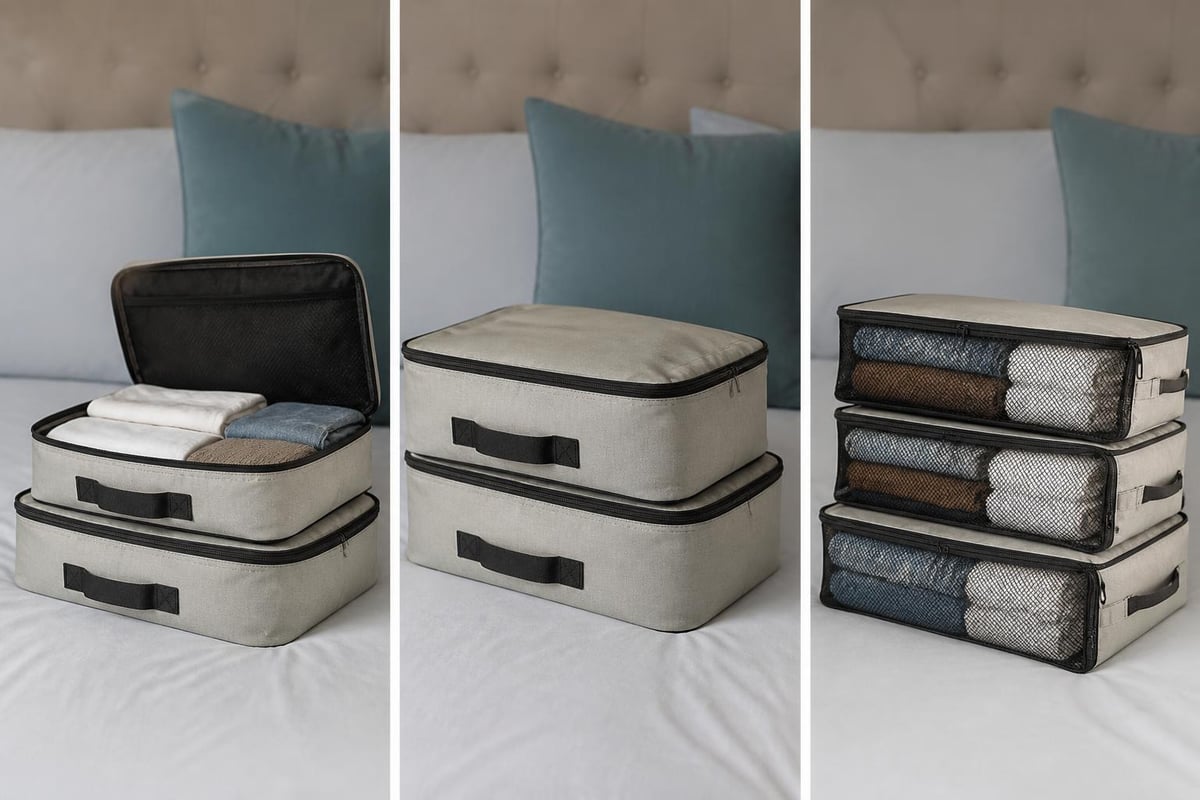
Added weight is the most significant downside. Quality packing cubes typically weigh between 50-150 grams each. If you're using four or five cubes, that's potentially 500 grams of your luggage allowance dedicated to organisation containers. For carry-on-only travellers watching every gram, this matters.
Initial cost can be substantial. A decent set of four to six cubes typically costs between $75-$125. Cheaper options exist, but quality varies significantly. Poor zippers fail after a few trips, defeating the purpose.
Learning curve exists for some people. Knowing how to use packing cubes effectively requires thinking about your packing strategy differently. Some travellers buy cubes, try them once, find them awkward, and abandon them.
They don't prevent wrinkles any better than normal folding. If you're worried about keeping dress shirts crisp, regular packing cubes won't solve that problem. You'll still need garment bags or compression packing cubes that stop clothes moving around – the movement is what causes all the wrinkles.
Choosing the Right Packing Cubes
If you've decided packing cubes make sense for your travel style, selecting the right ones matters more than you might think.
Size Considerations
Most sets include three or four different sizes. The largest cubes (around 40cm × 30cm) hold bulky items like jumpers or jeans. Medium cubes (35cm × 25cm) work well for shirts and trousers. Small cubes (25cm × 20cm) suit underwear, socks, and accessories.
Don't buy too many large cubes. A common mistake is purchasing a set of all large cubes, which becomes difficult to fit into standard luggage. A mix of sizes allows better space utilisation and fit better in your suitcase.
Material and Durability
Lightweight nylon or polyester works well for most travellers. Look for reinforced stitching around zippers, the most common failure point.
Mesh panels on one side provide visibility without needing to open each cube. Solid fabric on both sides weighs slightly less and provides more protection but requires opening cubes to see contents.
Compression Versus Standard
Compression cubes cost more but genuinely save space if you're packing bulky items. For lightweight summer clothes, standard cubes suffice and save weight.
Here's a practical comparison:
Feature |
Standard Cubes |
Compression Cubes |
|---|---|---|
Weight |
50-80g each |
50-150g each |
Space saving |
Moderate (through organisation) |
Significant (through compression) |
Best for |
Lightweight clothes, short trips |
Bulky clothes, cold weather travel |
Durability |
Generally good |
Compression zippers can fail |
Price range |
$40-$60 per set |
$70-$120 per set |
How to Use Packing Cubes Effectively
Buying packing cubes doesn't automatically improve your packing. You need a system that matches your travel style.
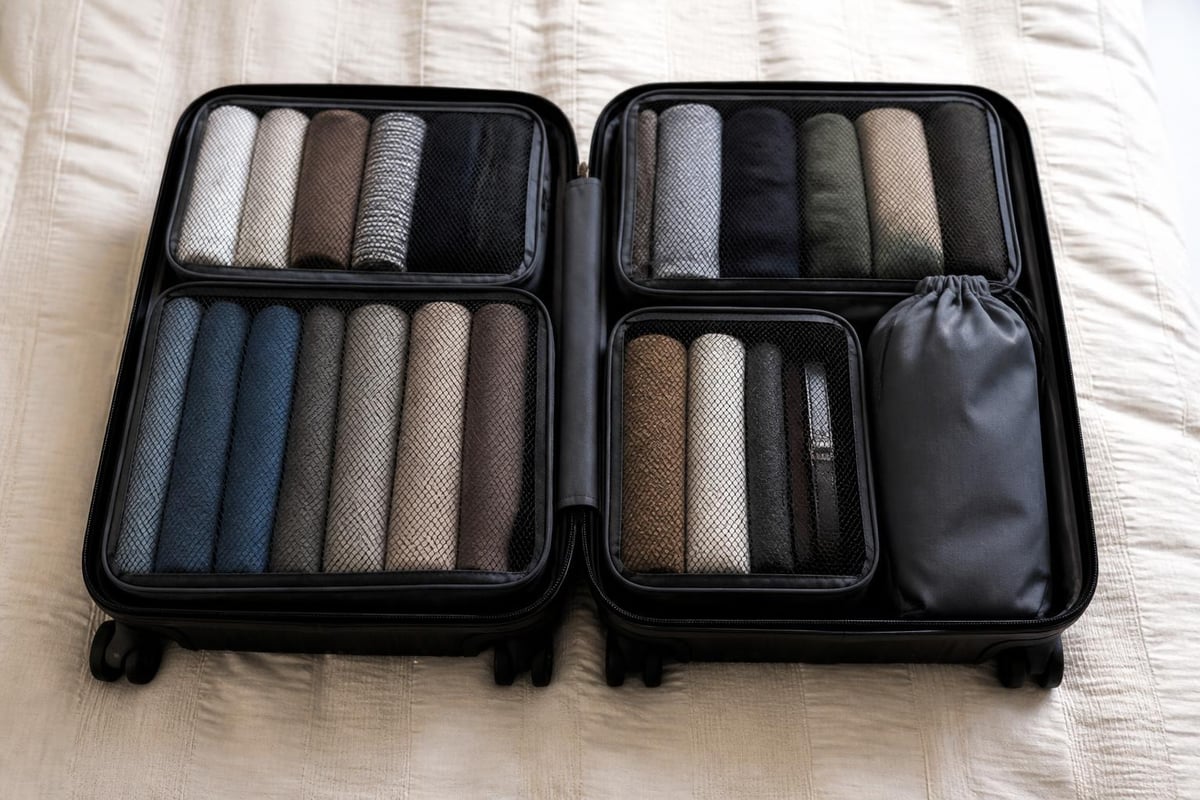
Roll your clothes before putting them in cubes. Many travellers debate rolling versus folding clothes, but rolling typically works better with cubes. Rolled items stack more efficiently and wrinkle less than folded clothes.
Assign cubes by category, not by day. New packing cube users often make the mistake of packing "Monday's outfit" in one cube and "Tuesday's outfit" in another. This doesn't work because weather changes, plans shift, and you end up opening every cube anyway. Instead, group by item type: all tops together, all bottoms together, all underwear and socks together.
Use one cube for dirty clothes. Keep a separate cube or mesh bag for worn items. This prevents dirty clothes from mixing with clean ones and makes laundry day easier when you return home.
Match cube size to your luggage. Measure your suitcase or backpack's internal dimensions before buying cubes. The cubes should fit snugly without wasted space.
Don't overfill compression cubes. Yes, you can squeeze an enormous amount into a compression cube, but over-stuffing makes them difficult to fit into your bag and stresses the zippers. Fill to about 80% capacity for best results.
Common Mistakes People Make
Even experienced travellers sometimes use packing cubes inefficiently, which can lead to frustration.
Buying the wrong sizes ranks as the most common error. That set of six large cubes might look like great value, but if they don't fit properly in your bag, they're useless. Start with one versatile set of mixed sizes before expanding your collection.
Expecting them to reduce overall packing is unrealistic. Packing cubes organise what you bring, they don't make you pack less. In fact, some people pack more because the cubes create the illusion of having more space. Avoiding common packing mistakes remains important regardless of your organisation method.
Not developing a consistent system defeats the purpose. If you randomly throw items into whatever cube has space, you've just created smaller disorganised bags instead of one large disorganised bag.
Buying too many cubes wastes money and adds weight. Four to six cubes handle most trips adequately. More than that usually means you're over-packing.
Alternative Organisation Methods
Packing cubes aren't the only way to stay organised while travelling, and for some people, simpler methods work better.
Packing folders compress dress shirts and formal wear with minimal wrinkling. They're bulkier than cubes but better for business travel requiring professional clothes.
Ziplock bags cost almost nothing and provide similar compartmentalisation. They're not breathable, not durable, and less elegant, but they work if you're on a budget and you need a short term solution.
Laundry bags keep dirty clothes separate without requiring a dedicated packing cube. A simple drawstring bag costs a few dollars and solves the clean/dirty separation problem.
The Bottom Line on Value
So are packing cubes worth it? For frequent travellers taking trips longer than a week, particularly those moving between multiple destinations, they're 100% worth it. The organisation they provide saves time and reduces stress, especially when you're living out of your bag.
For occasional travellers taking short trips to single destinations, they're optional. The money might be better spent on other travel accessories that provide more obvious benefits for your specific travel patterns.
Think about your last three trips. How often did you repack your bag? Did you struggle to find specific items? Were you mixing clean and dirty clothes? If these problems sound familiar, packing cubes will likely improve your experience. If you typically unpack into hotel drawers and rarely open your bag until departure, you probably don't need them.
The cost matters too. Quality cubes that last for years justify their price better than cheap versions that fail after a few trips. Starting with a basic set of three or four mixed-size cubes lets you test whether they suit your packing style without major investment.
Professional organisers and experienced travellers agree that using packing cubes effectively requires both the right products and the right approach. The cubes themselves don't create organisation – your system does.
One often-overlooked benefit: packing cubes can extend their usefulness beyond travel. Many people use them for home organisation, storing seasonal clothes in wardrobes or sorting kids' items in drawers. This additional utility might justify the purchase even if you only travel occasionally.
Making Your Decision
Consider these questions before purchasing:
How many trips over one week do you take annually?
Do you typically stay in one place or move between destinations?
Are you usually packing for yourself only or for multiple people?
Do you carry on or check luggage?
How important is every gram of weight in your bag?
If you answered "more than four," "move between destinations," "multiple people," "carry on," and "very important" to these questions, packing cubes likely make sense for you. Different answers suggest you might not need them or could start with a minimal set to test the concept.
Remember that packing cubes solve specific problems: organisation during travel, easy access to items, separation of clean and dirty clothes, and efficient use of luggage space. If these aren't problems you face, no organisational tool will create value where none exists.
The question "are packing cubes worth it" ultimately comes down to your individual travel habits and preferences. They're a tool, not a requirement, and plenty of experienced travellers manage perfectly well without them. Others consider them indispensable and wouldn't travel without a full set.
Related Packing Guides
Still weighing it up? These guides go deeper on getting the most from packing cubes:
- Luggage cubes for packing — the complete guide to choosing and using them.
- Compression packing cubes — how the compression version saves extra space.
- Do packing cubes save space? — an honest look at the space question.
- Compression bags for travel — when a compression bag beats a cube.
Packing cubes work well for frequent travellers and those taking extended trips with multiple stops, but they're not necessary for everyone. Whether they're worth it depends on how you travel, how often you repack, and whether organisation during transit matters to you. If you've decided they suit your travel style, choosing quality cubes in the right sizes for your luggage makes all the difference. Simplify Living offers a range of travel organisation solutions designed for Australian travellers, with fast and free shipping plus a 14-day money-back guarantee if they don't work for your packing needs.

Leave a comment
This site is protected by hCaptcha and the hCaptcha Privacy Policy and Terms of Service apply.