
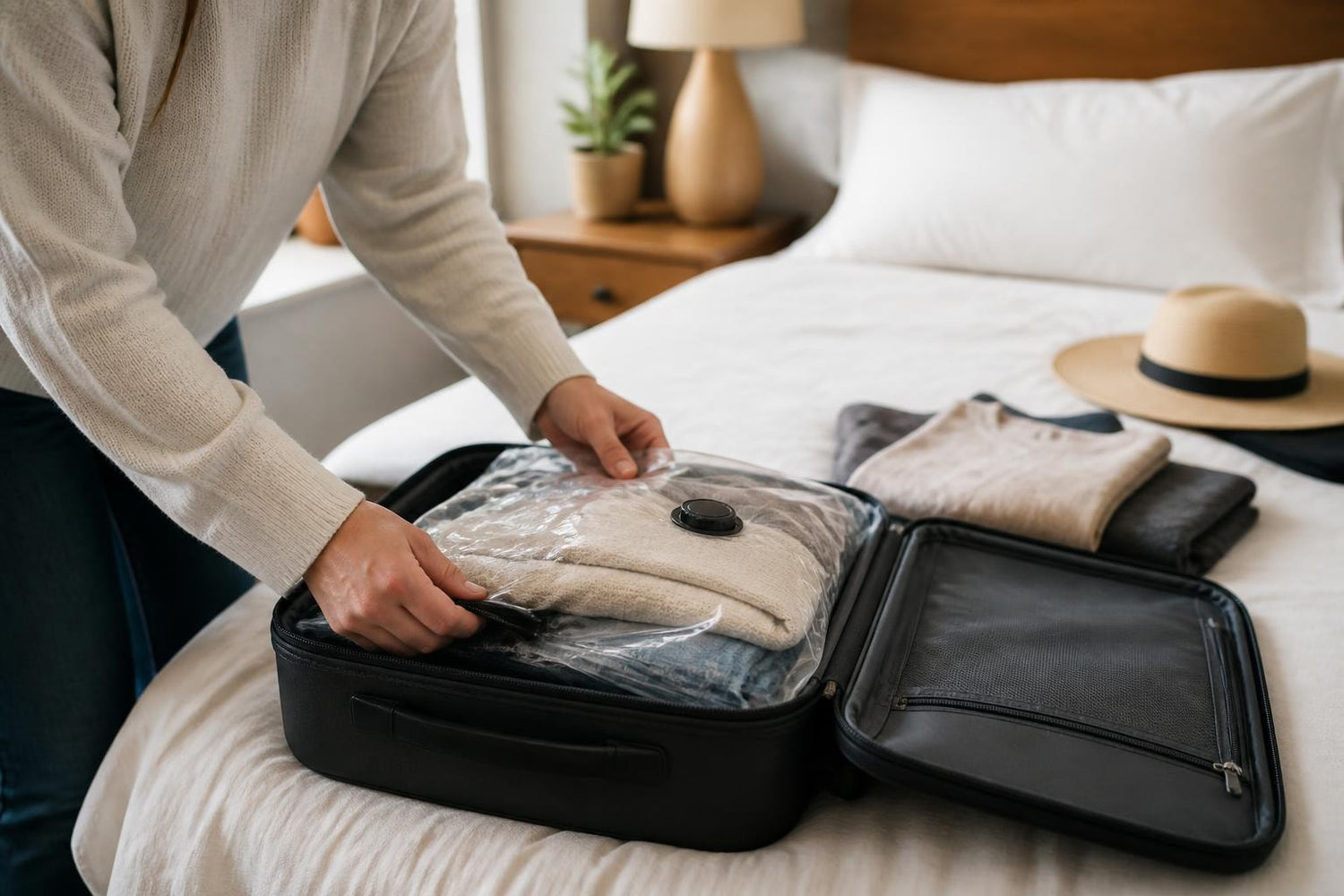
Travelling with a bulky suitcase is annoying. Paying extra baggage fees is worse.
That’s why compression bags have become so popular. They help squeeze bulky clothes, jackets, towels and spare layers into less space, so your suitcase feels easier to pack and less chaotic to unpack.
But they’re not magic. They won’t make your luggage lighter, and they’re not the best choice for every item.
In this guide, we’ll break down when compression bags are worth using, what to pack in them, what to avoid, and how to get more space without ending up with a suitcase full of wrinkled clothes.
Understanding Compression Bags for Travel
Compression bags help you pack bulky, soft items into less space.
You place your clothes inside, seal the bag, then remove the extra air. Some bags roll down by hand. Others use a small pump or vacuum-style valve. Either way, the goal is the same: less puff, less bulk, and more room in your suitcase.
They’re especially useful for things like jumpers, jackets, sleepwear, towels, activewear and spare layers. These items can take up a lot of room, even when they don’t weigh much.
Key benefits include:
More suitcase space for clothes and travel extras
Better organisation because items are grouped together
Protection from leaks, moisture and odours
Less suitcase bulge from overstuffed clothing
Easier packing for longer trips or carry-on travel
The important thing to remember is that compression bags reduce volume, not weight. So while they can help you fit more into your bag, your luggage can still become too heavy if you keep adding more.
Used well, they make packing cleaner, neater and less stressful. Used badly, they can leave you with wrinkled clothes and an overweight suitcase.
Types of Compression Bags
There are a few different types of compression bags, and they’re not all useful for the same kind of trip.
Some are made to save as much space as possible. Others are better for keeping your suitcase organised while taking out a bit of bulk.
Roll-Up Compression Bags
Roll-up compression bags don’t need a pump, vacuum or charger. You place your clothes inside, seal the top, then roll the bag down to push extra air out through a one-way valve.
They’re simple, lightweight and easy to use when you’re moving between hotels or repacking often. They're perfect for budget-conscious travellers exploring Europe who need reliable, lightweight solutions.
Benefits:
No pump, vacuum or charger needed
Lightweight and easy to pack
Good for multi-stop trips where you’re repacking often
Usually more affordable than pump-style vacuum bags
Handy for separating clean and dirty clothes
Downsides:
Can be fiddly to roll when full
Usually less compression than vacuum bags
Cheaper versions can crease, split or lose their seal
Not ideal for bulky winter gear
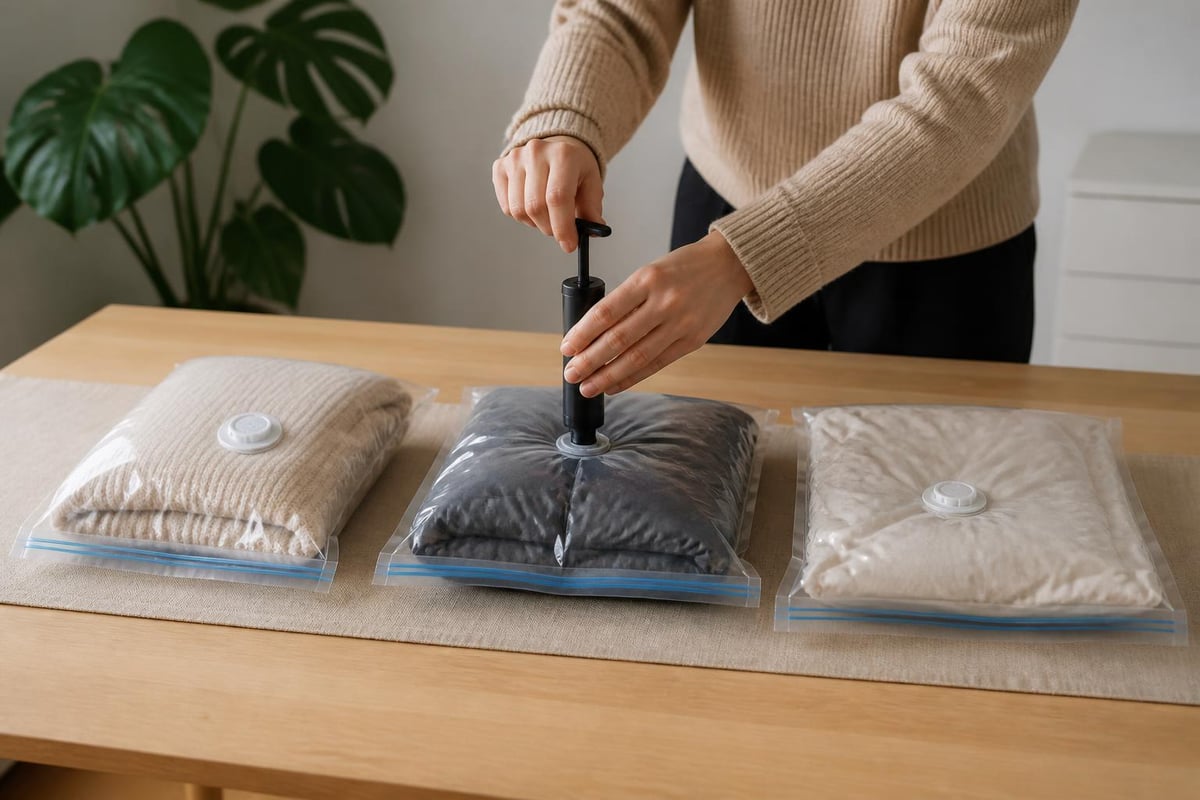
Vacuum-Seal Compression Bags
Vacuum compression bags are usually the best option when you want to save the most space.
You pack your clothes inside, seal the bag, then remove the air using a vacuum, hand pump or small electric travel pump. They’re especially useful for bulkier items like coats, towels, jumpers, hoodies, winter layers, backup outfits and dirty laundry.
The trade-off is convenience. Once you open the bag, you’ll need to compress it again.
Benefits:
Usually gives the biggest space saving
Great for bulky clothes and soft items
Helps keep items sealed away from moisture, odours and leaks
Useful for longer trips or cold-weather packing
Can free up a lot of suitcase space
Downsides:
You need a vacuum, hand pump or travel pump to recompress them
Less convenient if you need to open the bag often
Can wrinkle clothes if over-compressed
Cheap versions may leak air or stop sealing properly
Easy to overpack because your suitcase suddenly has more room
Compression Packing Cubes
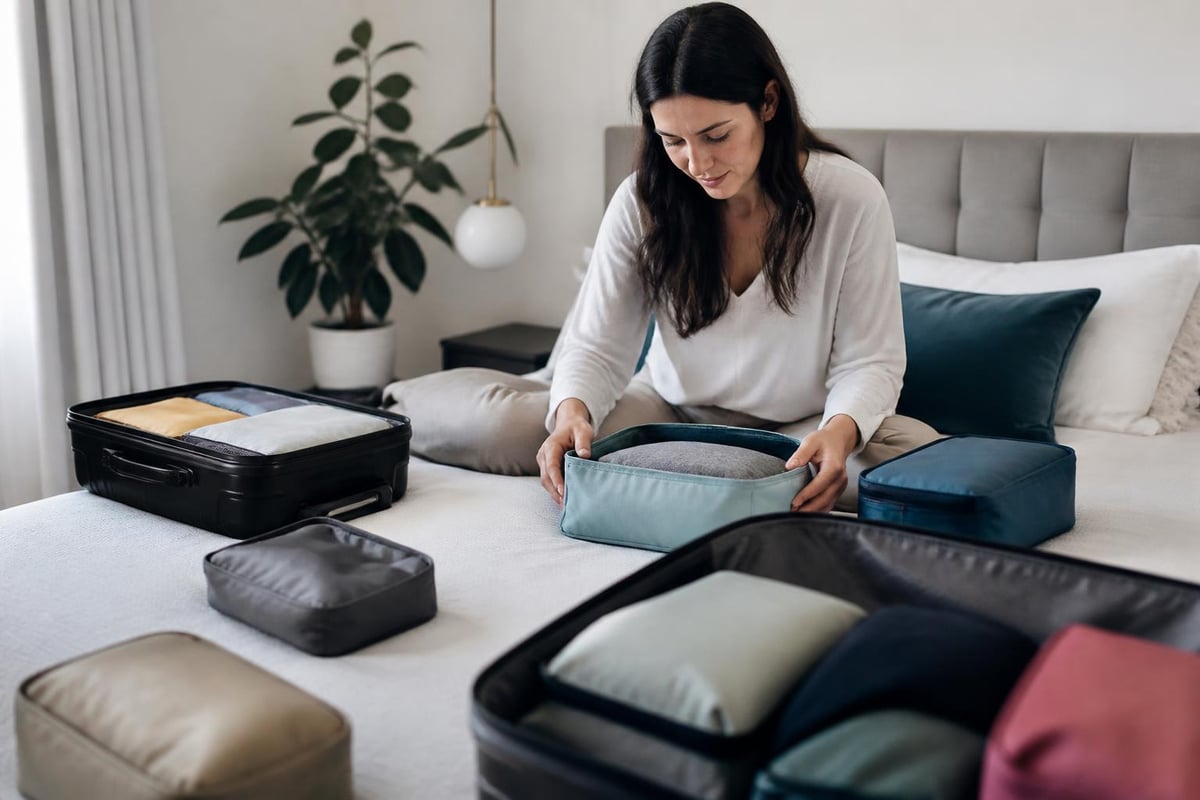
There's a common debate comparing packing cubes and compression bags. Essentially, compression packing cubes are a mix between regular packing cubes and compression bags.
They usually have one zipper to close the cube and another zipper to squeeze the contents down. They don’t remove air like vacuum bags do, so the space saving is usually less dramatic.
But they’re much easier to use day to day, especially if you want your suitcase to stay organised.
This innovation addresses the common debate between packing cubes versus compression bags by offering both benefits simultaneously.
Benefits:
Easier to open and close than vacuum bags
Keeps your suitcase tidy
Good for packing by category or outfit
More durable than many plastic compression bags
Helps reduce bulk without making clothes hard to access
Downsides:
Doesn’t compress as much as vacuum bags
Can still wrinkle clothes if packed too tightly
Takes up more structure in your suitcase
Usually costs more than basic roll-up bags
Not the best option for very bulky items like coats or thick towels
Choosing the Right Compression Bags
As a simple rule: choose vacuum bags for maximum space, roll-up bags for low-fuss compression, and compression cubes if you want your suitcase to stay organised while still reducing some bulk.
Factor |
Manual Roll-Up |
Vacuum-Seal |
Compression Cubes |
|---|---|---|---|
Space Savings |
Good |
Best |
Moderate |
Need a pump? |
No |
Yes |
No |
Ease of use |
Simple, but can be fiddly |
Simple once you know how |
Easiest for everyday packing |
Organisation |
Good |
Good |
Best |
Weight |
Lightest |
Light |
Light |
Durability |
Average |
High |
Best |
Price Range |
Budget |
Mid-High |
Mid-Range |
How To Get The Best Results From Compression Bags
Compression bags work best when you use them for the right items and avoid overfilling them.
The goal isn’t to squash everything as flat as possible. It’s to reduce bulk while keeping your clothes easy to unpack and still wearable when you arrive.
Pack Similar Items Together
Try to group similar fabrics in the same bag.
T-shirts, underwear, sleepwear and activewear compress well together because they’re soft and flexible. Thicker items like jumpers, fleece and towels are better packed in their own bag because they take more pressure to compress.
This also makes unpacking easier. Instead of opening one giant mixed bag, you can grab the category you need.
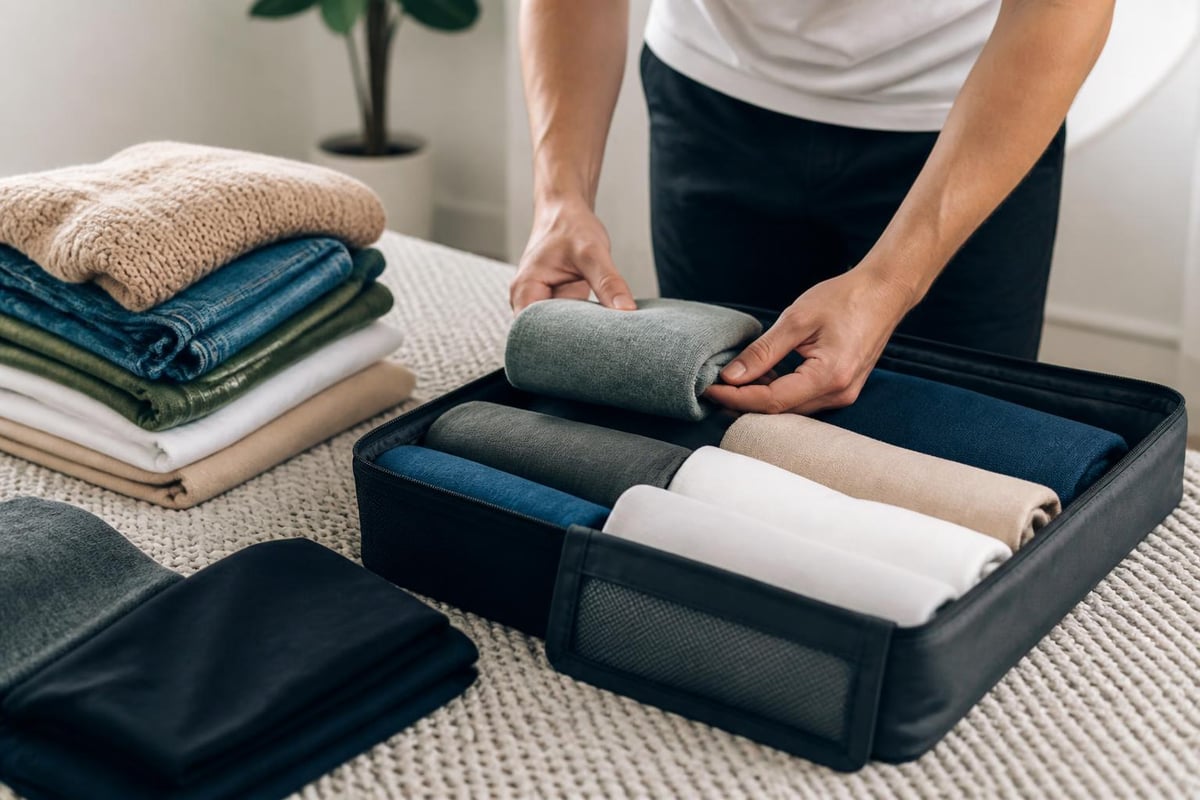
Roll Or Fold Before You Compress
Fold or roll your clothes before placing them in the bag. This helps reduce air pockets and gives you a flatter result once the bag is compressed. A mix of both usually works best: fold bulkier items like pants and jumpers, then roll softer items like t-shirts, activewear and sleepwear to fill the gaps.
For a deeper breakdown, read our guide to rolling versus folding clothes for travel.
Best Things To Pack In Compression Bags
Compression bags are best for soft, bulky items, including:
T-shirts and casual tops
Hoodies and jumpers
Fleece jackets
Activewear
Underwear and socks
Pyjamas and sleepwear
Lightweight towels
Spare layers
Dirty laundry
Some items don’t handle pressure well.
Avoid compressing:
Formalwear
Structured jackets or blazers
Linen outfits you don’t want heavily creased
Leather items
Shoes
Electronics
Toiletries
Fragile souvenirs
Anything with a rigid shape
A good rule: if it can crease badly, leak, crack or lose its shape, don’t put it in a compression bag.
Preventing Wrinkles and Damage
Understanding how to keep clothes wrinkle-free in your suitcase becomes crucial when using compression bags. While these bags reduce space dramatically, over-compression creates stubborn creases that steam won't easily remove.
Leave approximately 20% air space rather than achieving absolute maximum compression. This buffer zone allows fabrics to maintain some natural loft whilst still saving significant space. Natural fibres like linen and silk particularly benefit from gentler compression.
When Compression Bags Are Most Useful
Carry-On Travel
If you’re travelling with carry-on only, compression bags can help you fit more into a small suitcase or backpack.
They're useful for packing soft items like t-shirts, underwear, sleepwear, spare layers and lightweight jackets. They can also help keep your bag neater, especially if you’re trying to avoid checking luggage.
Just remember: compression bags save space, not weight. It’s easy to keep adding clothes because everything suddenly fits, then realise your carry-on is over the airline weight limit. Use the extra room carefully.
Long-Term Travel Applications
Compression bags are also useful accessories for long-haul flights, especially if you’re packing for different climates.
For example, you might compress jumpers, jackets or backup outfits at the bottom of your suitcase, then keep your everyday clothes easier to access.
They’re also helpful for laundry. You can use one bag for clean clothes and another for dirty items, so your suitcase doesn’t turn into one big messy pile halfway through the trip.
Cold Weather Climates
Winter clothes take up a lot of room.
Compression bags work well for bulky but soft items like hoodies, fleece, puffer jackets, thermals, thick socks and scarves. These pieces often trap a lot of air, so compressing them can make a noticeable difference.
For heavy coats, it may still be easier to wear your biggest layer on the plane rather than packing it.
Maintenance and Longevity
Caring for Compression Bags
A good compression bag should last more than one trip, but it still needs a bit of care.
Most problems happen when bags are overfilled, packed with sharp items, stored while damp, or forced shut when the zip is misaligned.
After Each Trip
Before packing them away, give your compression bags a quick check.
Empty them fully
Wipe away any dirt, sand or spills
Check the zip or seal for trapped fabric or debris
Make sure the valve still closes properly, if the bag has one
Let the bag dry completely before storing it
This is especially important if you’ve used the bag for dirty laundry, wet swimwear or anything with a strong smell.
Cleaning Compression Bags
Always follow the care instructions that come with your bags.
As a general rule, most plastic-style compression bags can be wiped clean with a damp cloth and mild soap. Fabric compression cubes can often handle a more thorough clean, but it depends on the material, zips and stitching.
Avoid machine washing vacuum-style bags unless the care label says it’s safe. The heat, spin cycle or detergent can damage the seal, valve or seams.
Storing Them Properly
Store compression bags somewhere dry and out of direct sunlight.
Don’t pack them away while damp, as trapped moisture can lead to musty smells or mildew. It’s also best not to crush them under heavy items for long periods, especially if they have valves or rigid zip seals.
Common Problems To Watch For
Compression bags can stop working properly over time, especially cheaper plastic versions.
Look out for:
Air leaking back in after compression
Zips that won’t seal cleanly
Cracks or small tears near the edges
Weak seams
Valves that don’t close properly
Bags that no longer stay compressed
If a bag keeps leaking or won’t hold its seal, it’s usually time to replace it. It’s better to find that out before your trip than when you’re trying to repack in a hotel room.
Environmental and Practical Considerations
Sustainable Travel Practices
Compression bags can be a useful travel accessory, but it’s worth choosing ones you’ll actually reuse.
Some cheaper plastic compression bags are technically reusable, but may split, leak air or lose their seal after a few trips. If you travel often, a stronger set usually makes more sense than buying the cheapest option and replacing it again later.
This aligns perfectly with eco-friendly travel principles focused on reducing waste during journeys.
Cost-Benefit Analysis
A good compression bag can replace the random plastic bags many travellers use for shoes, laundry, swimwear or spare clothes.
That doesn’t make every compression bag “sustainable,” but using the same bags across multiple trips is better than relying on single-use plastic every time you pack.
Look for strong seams, thicker material, and a reliable zip or valve. If the bag feels flimsy before your first trip, it probably won’t hold up well after repeated packing and unpacking.
Extra Tips For Using Compression Bags
A few small packing choices can make compression bags much easier to use.
For cold-weather trips, wear your bulkiest jacket on the plane if you can. Then use compression bags for jumpers, thermals, scarves and spare layers.
For summer trips, compression bags are less about bulky clothes and more about keeping things separated. They’re useful for swimwear, activewear, sleepwear, underwear and dirty laundry.
If you’re packing by outfit, don’t overcomplicate it. One bag for tops, one for bottoms, and one for underwear or sleepwear is usually easier than packing every outfit separately.
And before you zip up your suitcase, check the weight. Compression bags can make your suitcase look neatly packed while quietly pushing it over the airline limit.
Avoiding Common Mistakes
Many travellers make preventable errors when first using compression bags. The biggest one is over-compressing everything. Yes, it saves space, but it can also leave clothes heavily creased. For wrinkle-prone items, use light compression or pack them in a regular packing cube instead.
You’ll also want to be careful about what goes inside. Compression bags are made for soft items, not anything rigid, fragile or likely to leak. As highlighted in common packing mistakes, understanding proper technique prevents disappointing results.
Mistakes to avoid:
Filling bags beyond recommended capacity
Ignoring weight distribution within luggage
Neglecting to test compression before important trips
Using damaged bags that won't maintain compression
You should also avoid using compression bags for:
Formalwear or structured jackets
Shoes
Electronics
Toiletries
Fragile souvenirs
Anything with sharp edges
How Compression Bags Fit Into Your Packing System
Building Your Perfect Kit
Compression bags are an amazing luggage accessory but they work best when you use them for specific items, not your entire suitcase.
Use them for bulky clothes, spare layers, towels, sleepwear, laundry or items you won’t need straight away. Then keep your daily clothes, toiletries, tech and travel documents somewhere easier to access.
A simple setup might look like this:
Compression bag for bulky layers
Packing cube for everyday outfits
Small pouch for underwear and socks
Toiletry bag for liquids
Tech organiser for chargers and cables
Passport wallet or document holder for travel essentials
This keeps your suitcase organised without making everything hard to reach.
For family trips, you can use one compression bag per person or per clothing type. For business trips, use compression lightly and keep shirts, dresses, blazers and trousers in packing cubes or garment sleeves instead.
The goal is simple: compress what makes sense, and keep the rest easy to grab.
Compression bags can make packing a lot easier, especially when you’re dealing with bulky clothes, spare layers, towels or laundry.
They won’t make your luggage lighter, and they’re not the best choice for every item. But used properly, they can help you save space, stay organised, and avoid the dreaded suitcase struggle at the end of a trip.
The best approach is simple: compress the soft, bulky items, keep everyday essentials easy to reach, and don’t overpack just because you suddenly have more room.
For travellers who want a neater, easier way to pack, compression bags are a small upgrade that can make a big difference.
Related Packing Guides
Compression bags are one piece of a bigger packing system. These guides cover the rest:
- Luggage cubes for packing — how packing cubes organise and compress your suitcase.
- Compression packing cubes — the cube-and-compression hybrid, and how to use it.
- Do packing cubes save space? — the honest answer on space savings.
- Are packing cubes worth it? — whether they earn their place in your bag.
Looking for an easier way to pack? Explore Simplify Living’s travel packing range, including compression bags, packing cubes and clever organisers designed to make your suitcase feel a whole lot less chaotic.

Leave a comment
This site is protected by hCaptcha and the hCaptcha Privacy Policy and Terms of Service apply.